Conceptual Design and Experimentation Studio
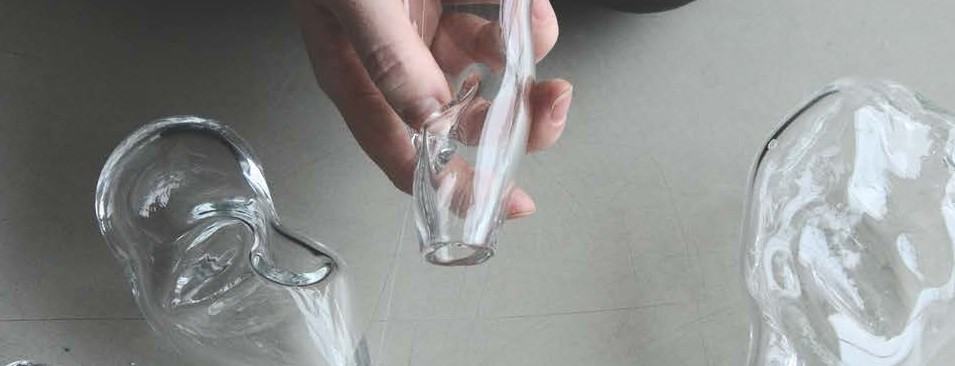
Diploma Studio
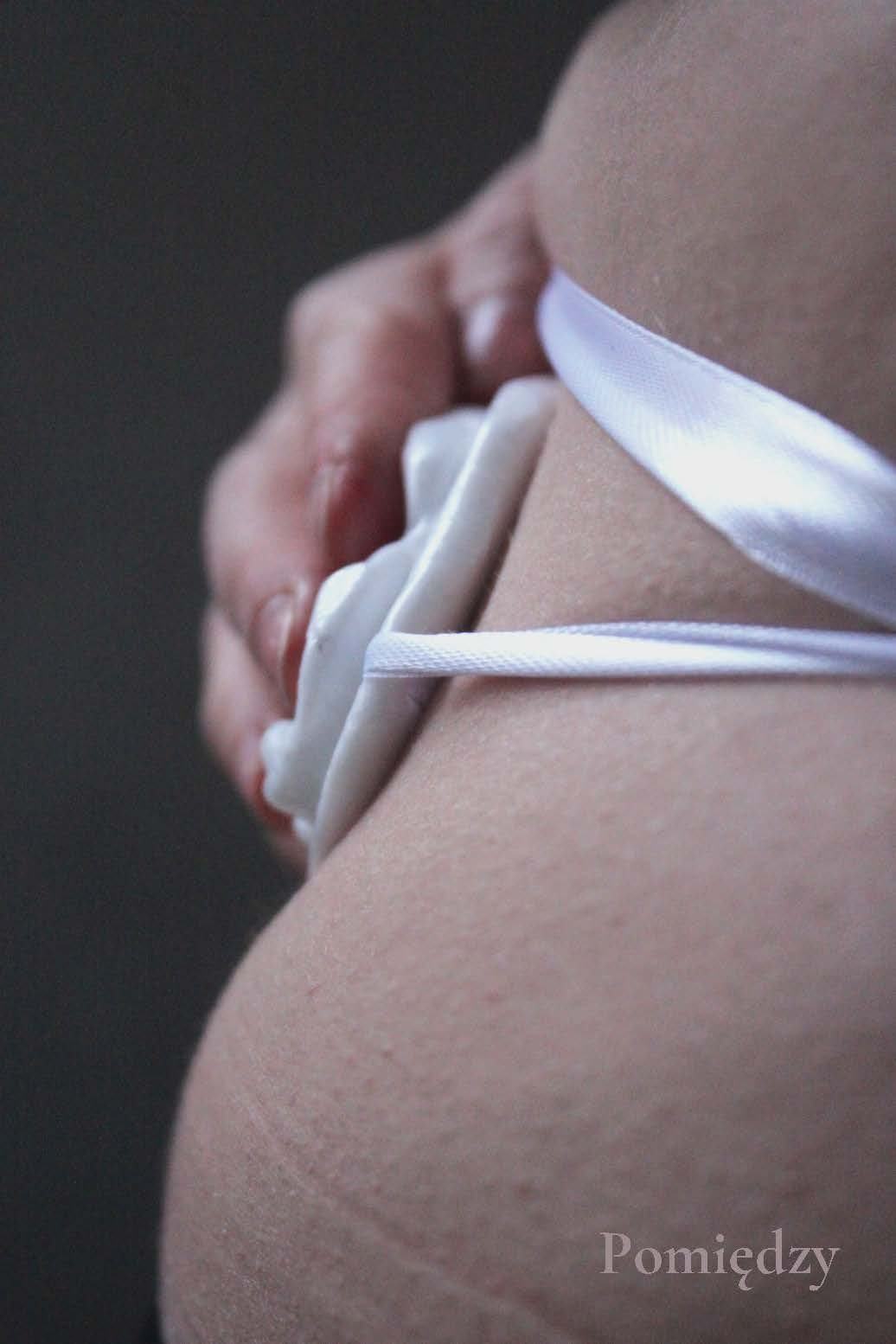
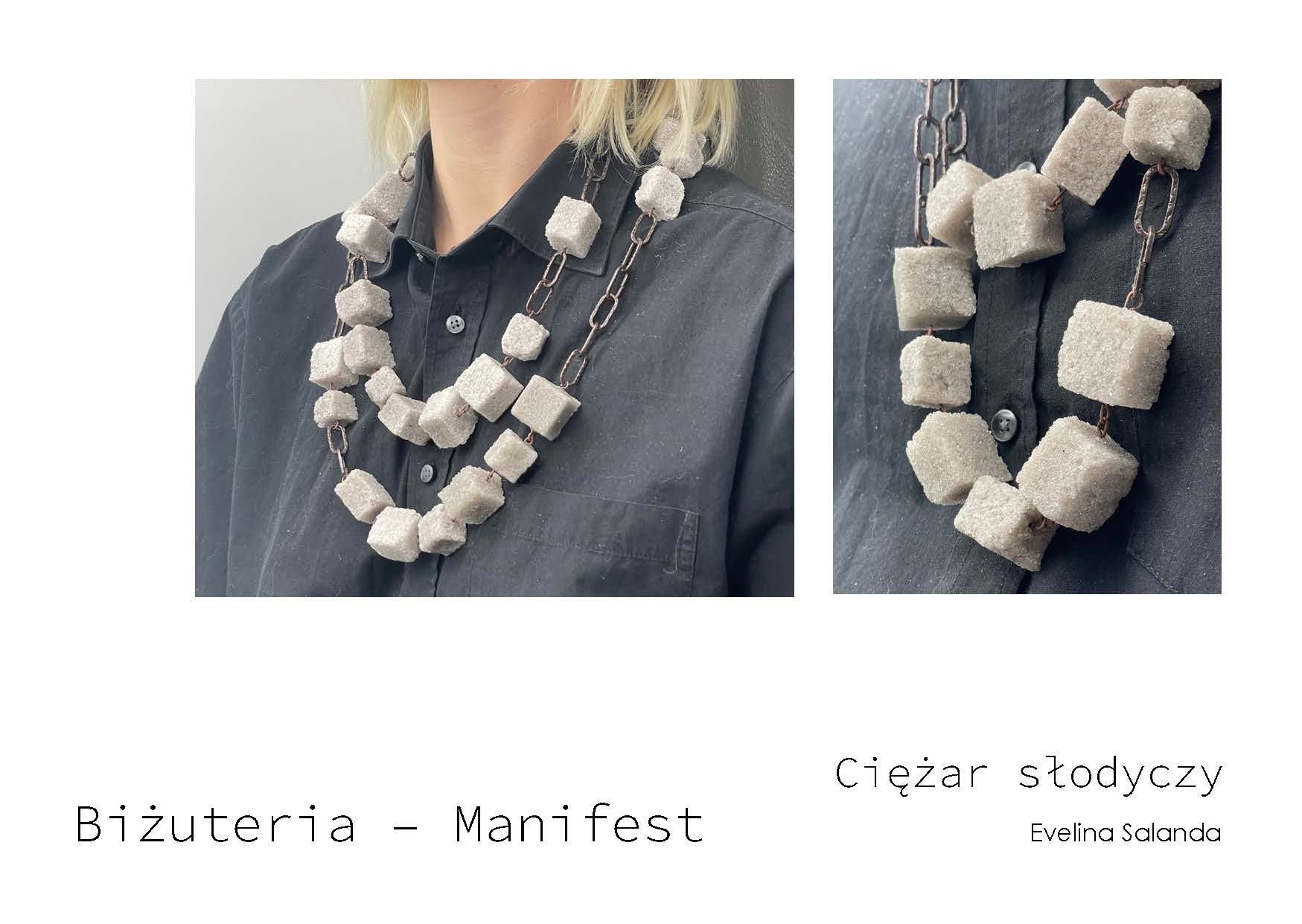
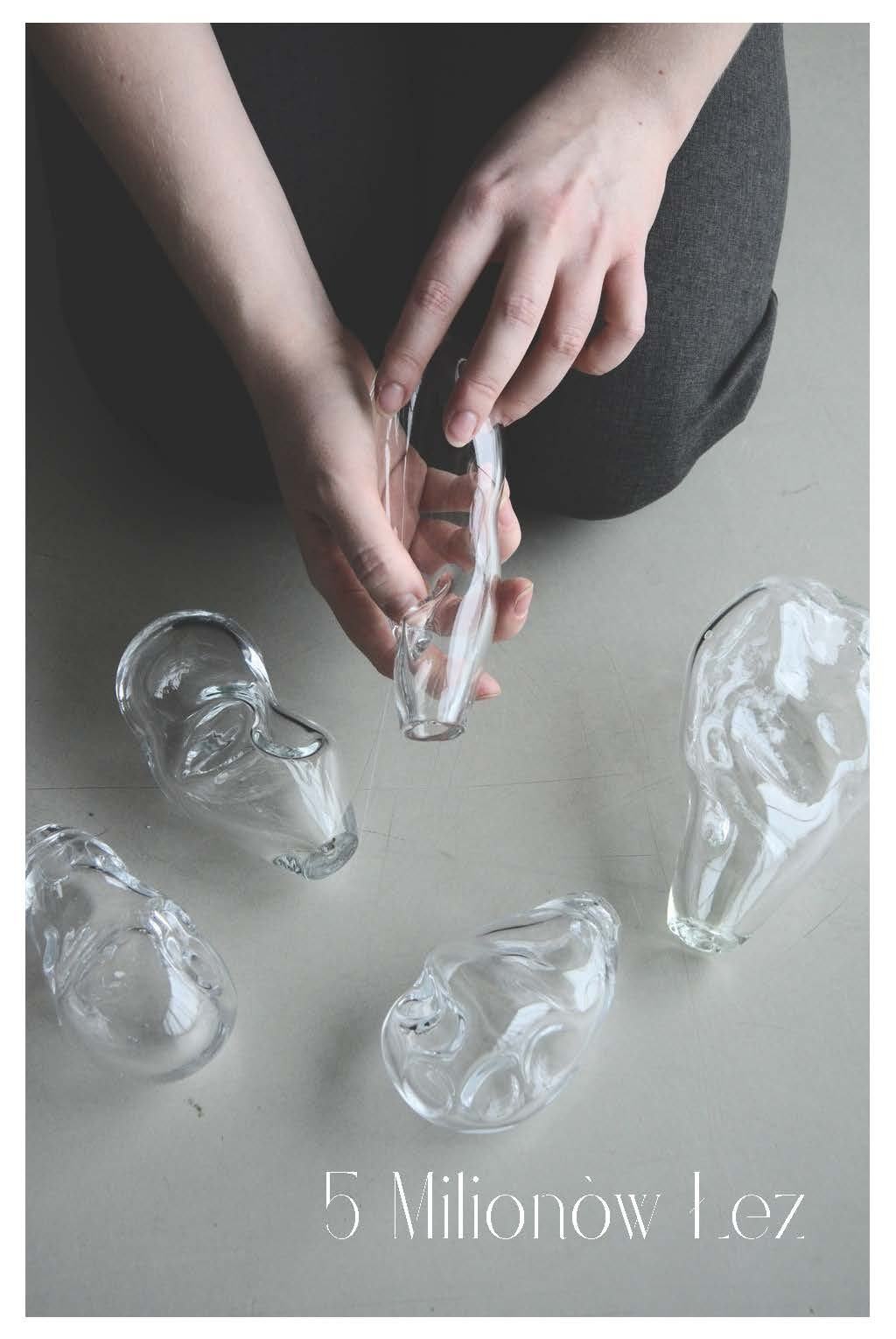
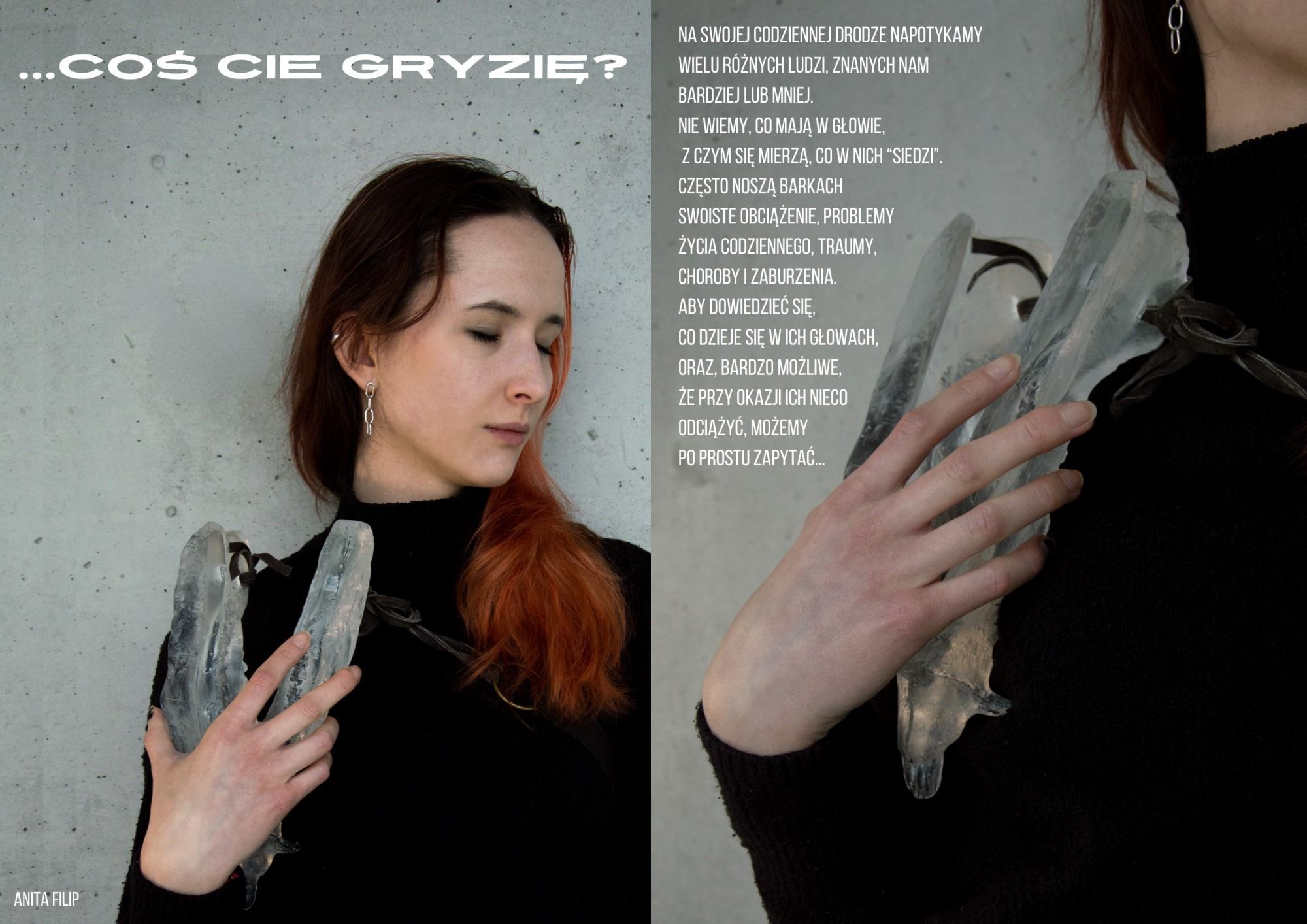
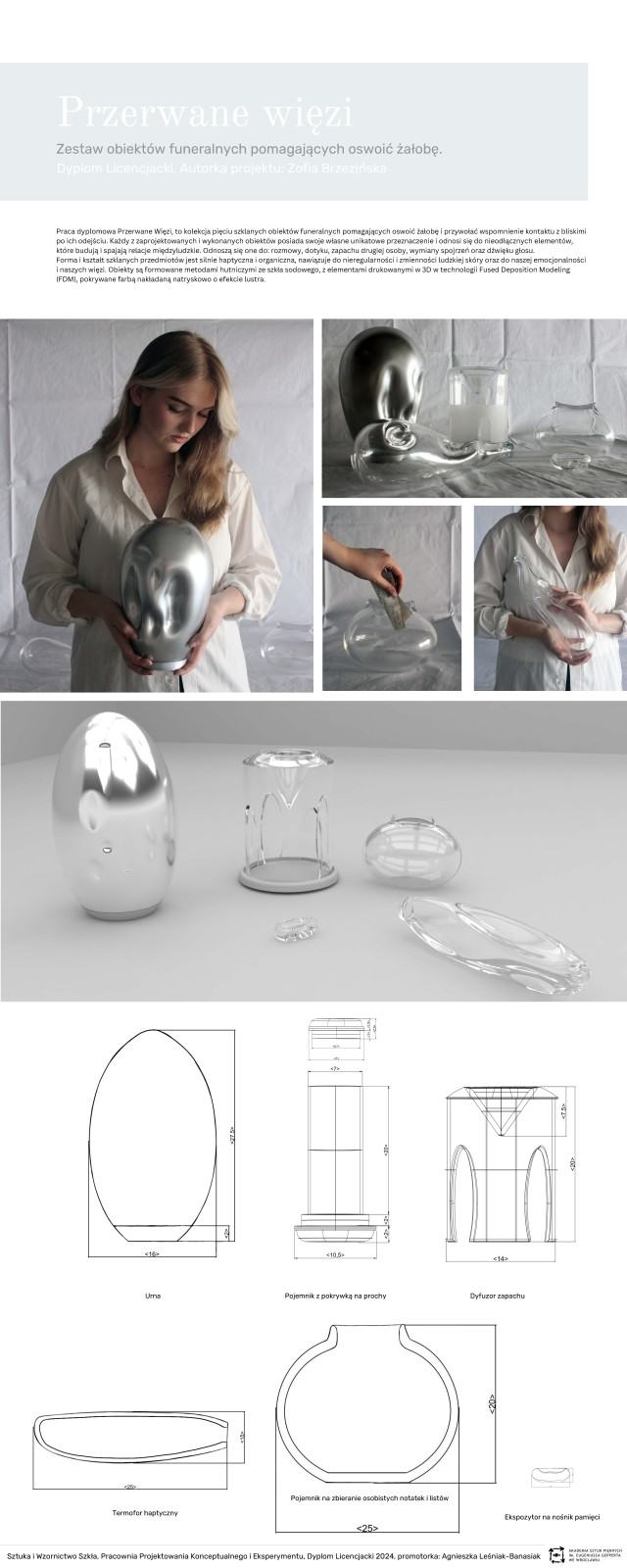
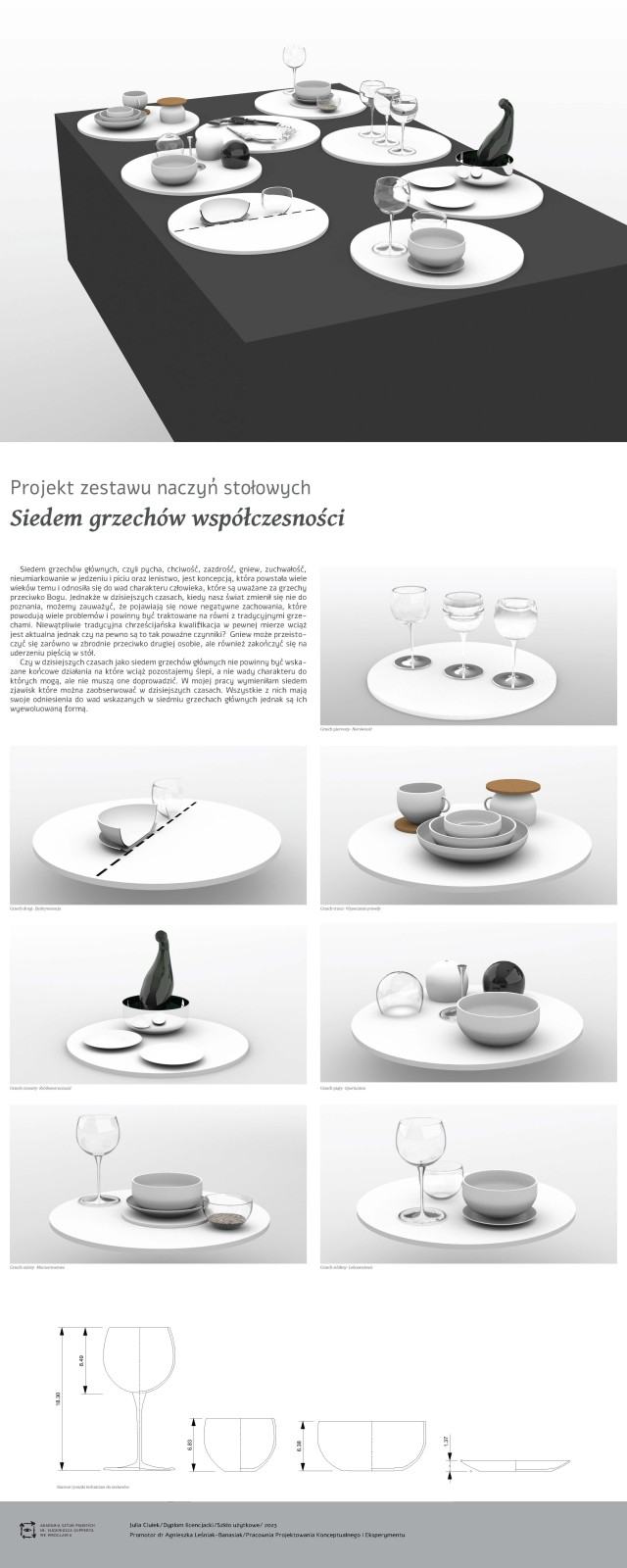
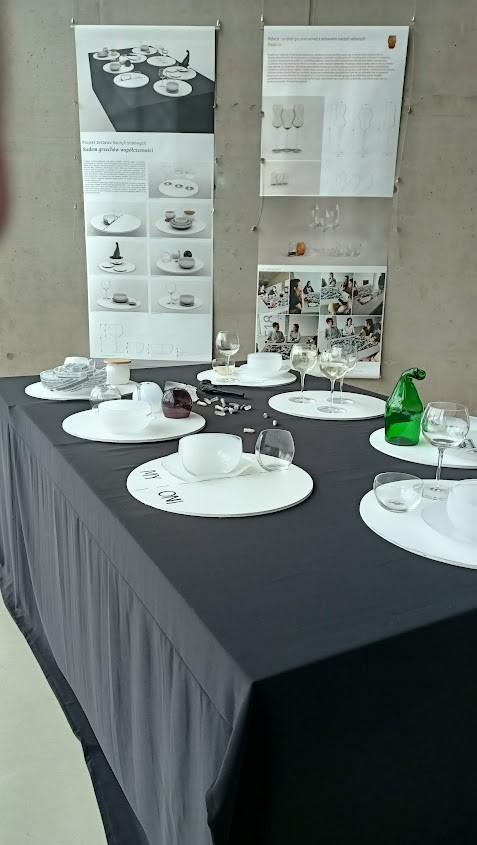
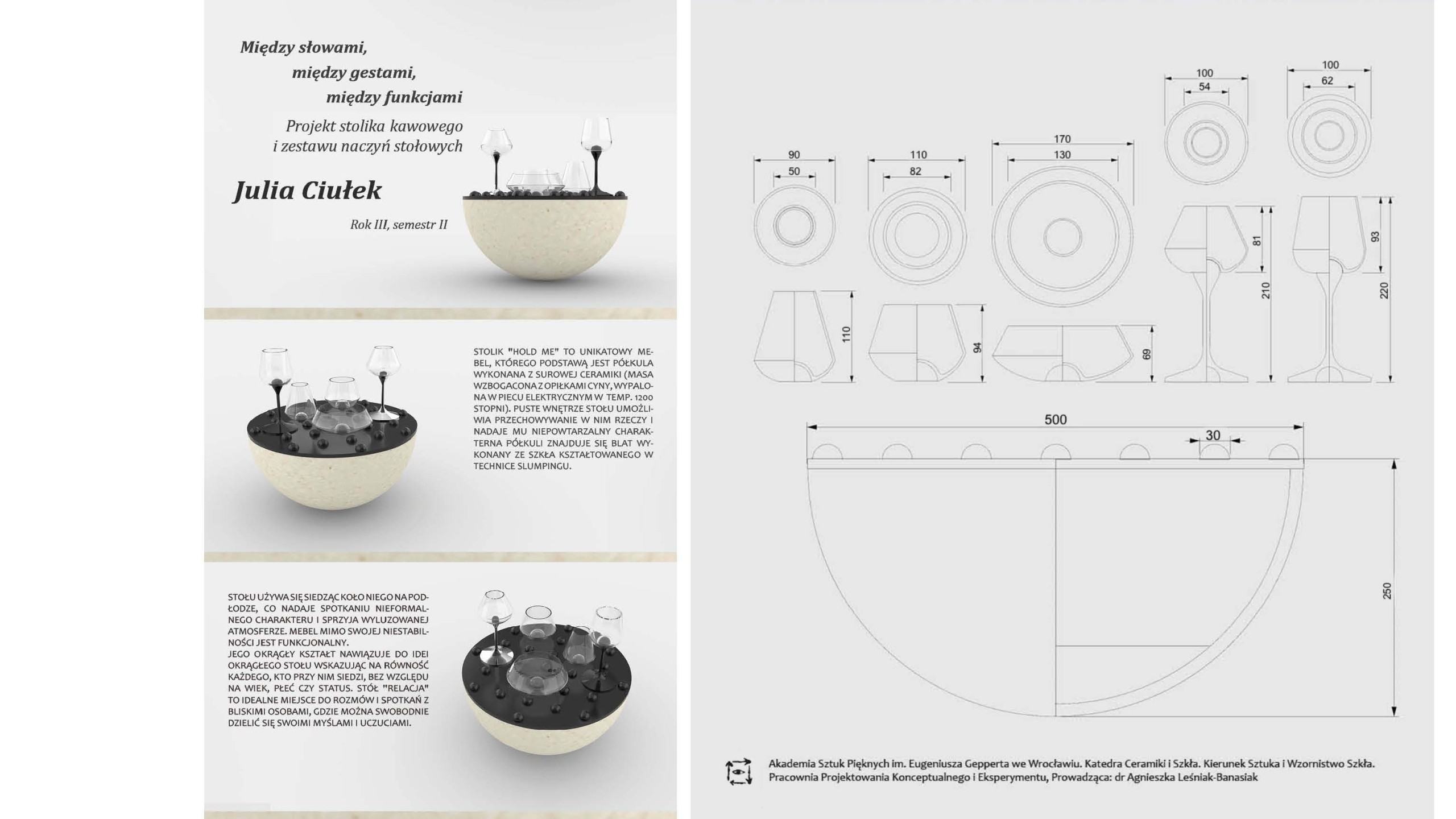
The Studio of Conceptual Design and Experimentation aims to develop students’ thinking in conceptual terms that transcend conventional workshop and technological frameworks. It encourages openness to new tools and research strategies at the intersection of design and art, and fosters understanding of the influences and relationships between these disciplines. Explorations through foundational experimentation enable students to realise their own concepts using glass and other materials
The Studio focuses on individual student interpretations that explore human relationships with objects, space, nature, and light. The programme promotes conceptual and formal experimentation and reflection on the role of humans in designed environments. Its primary educational goal is to support cross-disciplinary exploration and to develop coherent concepts that are both functional and culturally meaningful.
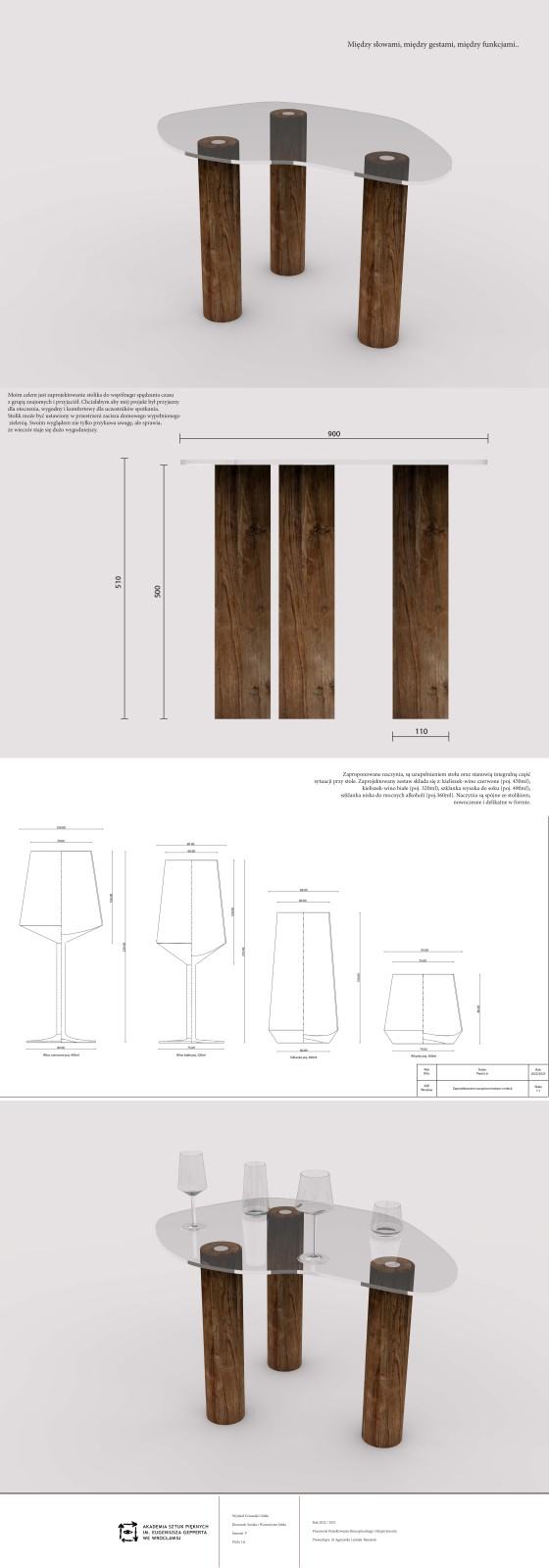
Experiments and studies address areas such as domestic spaces, education, public spaces, recreation, and the facilitation of social interactions. A key focus is the semantic, cultural, and functional significance of objects. Project outcomes may include functional objects, installations, or site-specific works.
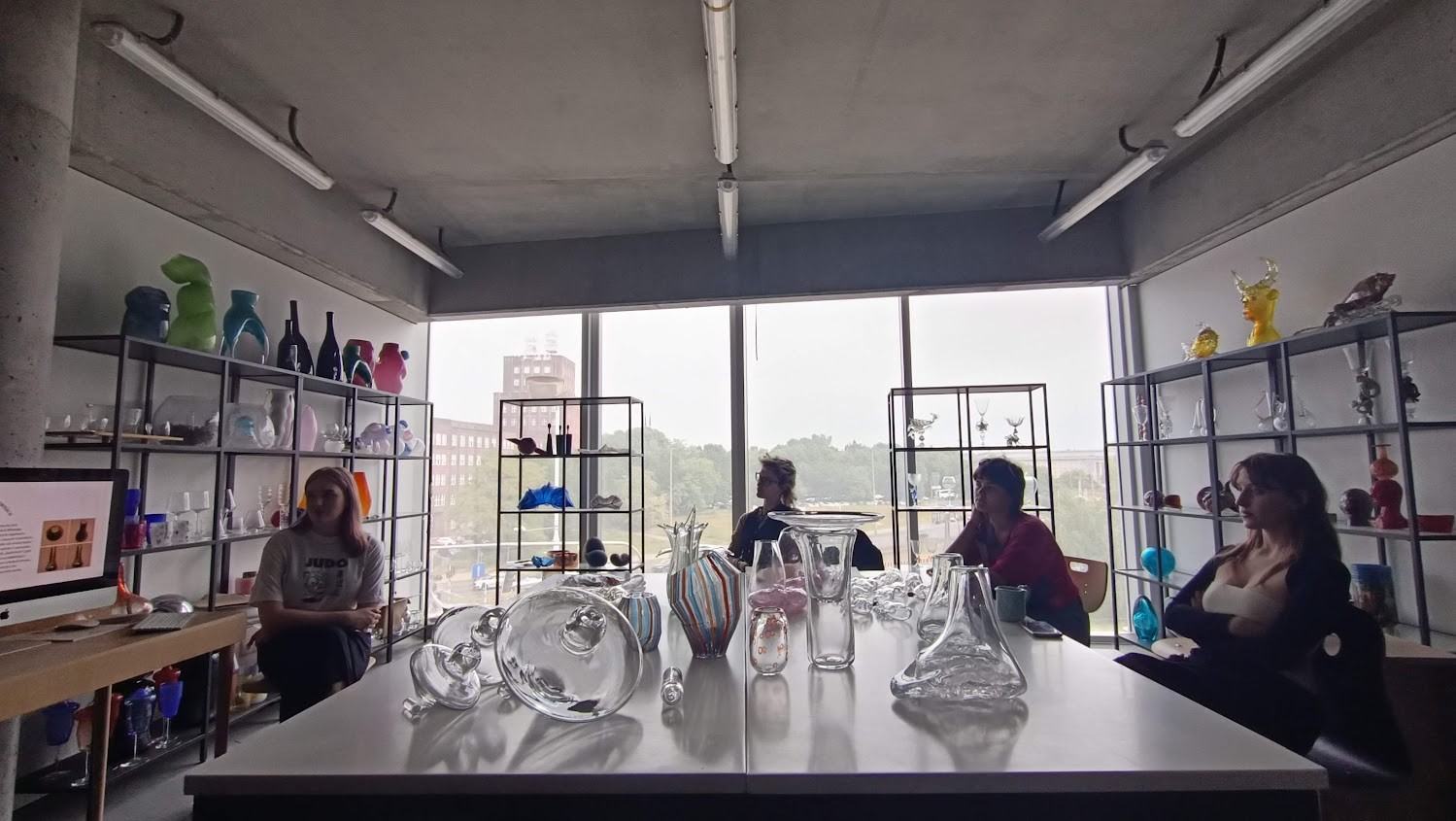
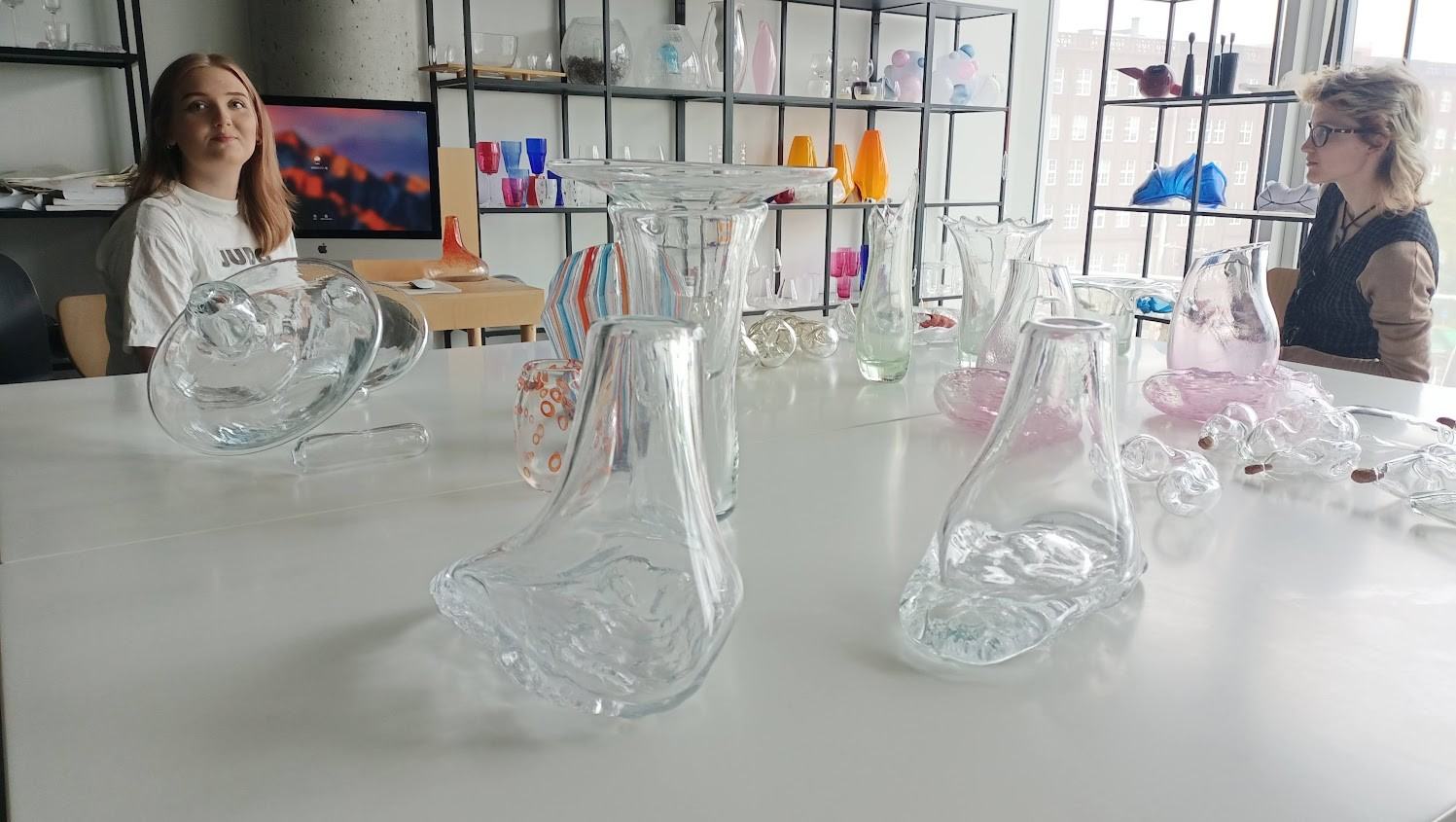
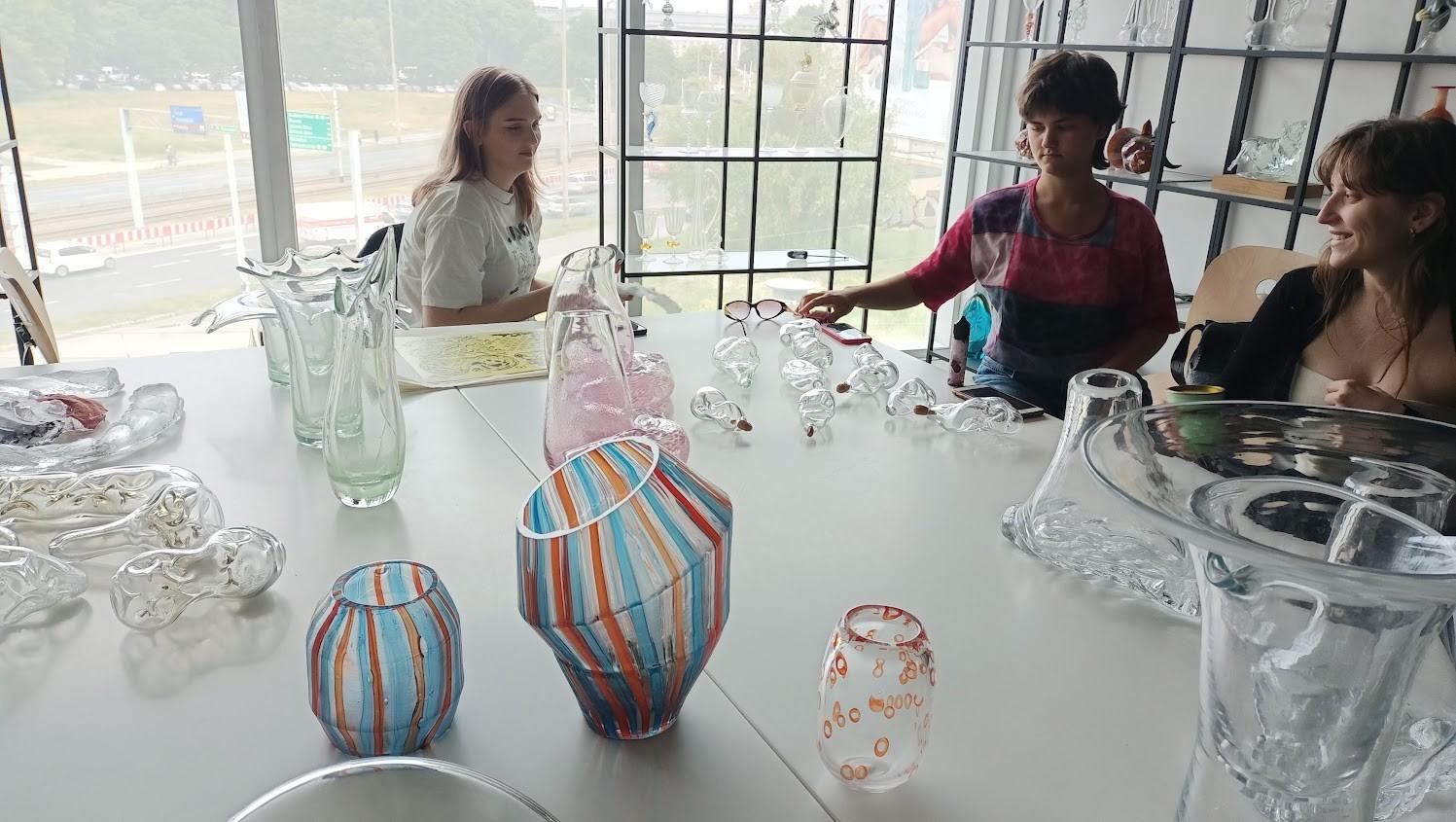
Classes are based on lectures, individual consultations, presentations, and a structured series of design tasks and experiments that engage both ideas and materials. Students progressively analyse the formal, functional, and technological aspects of their solutions. Project outcomes include visual and technical documentation as well as the results of material experiments. All experiments and projects are carried out in the Department of Glass workshops (e.g., glassworks, hot shaping laboratories) or in collaboration with external partners such as galleries, glassworks, and municipal institutions.
Subjects
- Functional Glass
Enrolment terms
Student selection is based on the submission of a portfolio and review of the final assessment from the previous year or study cycle.
Reading list
- Monika Rosińska, Utopias of Design
- Marta Smolińska, Expanded Haptics
- Hand-made. The Work of Hands in the Post-industrial Reality, ed. Marek Krajewski, Bęc Zmiana
- Monika Rosińska, Rethinking Use/Life. Designers. Objects. Social Life, Bęc Zmiana
- Victor Papanek, Design for the Real World, Recto Verso
- Józef A. Mrozek, A World to Be Designed, ASP Warsaw
- Discourse. Scientific-Artistic Notebooks, ASP Wrocław, No. 8, 2008/2009