Visual Cognition Studio
Diploma Studio
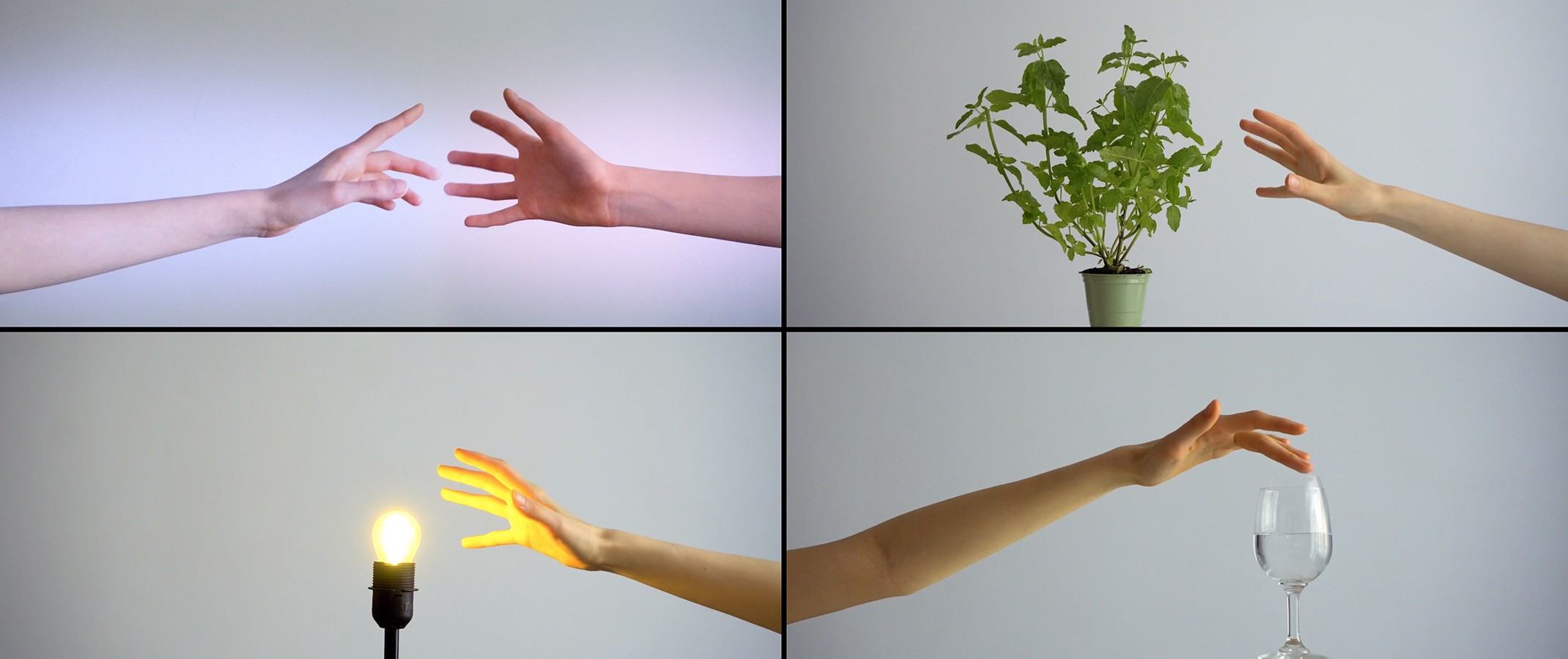
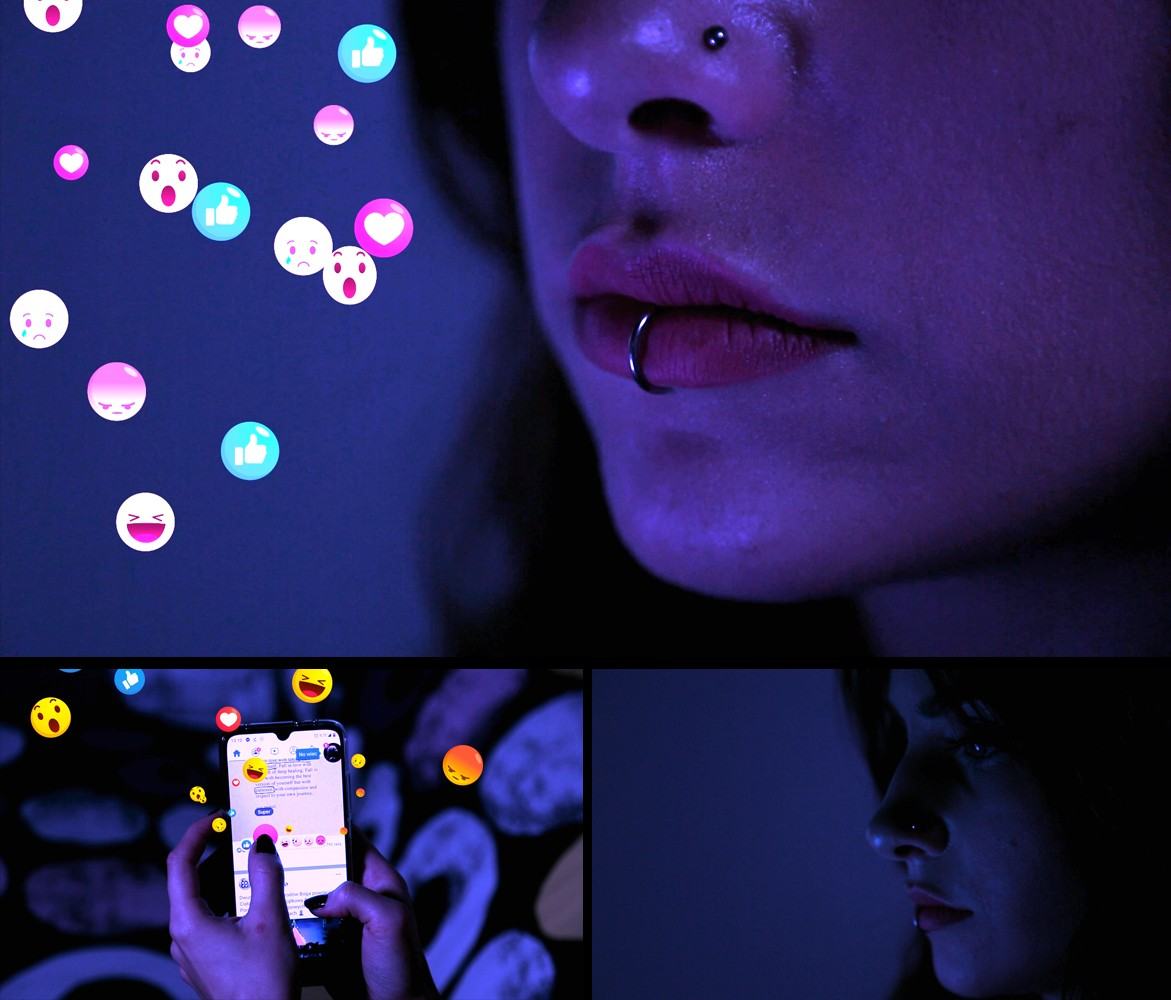
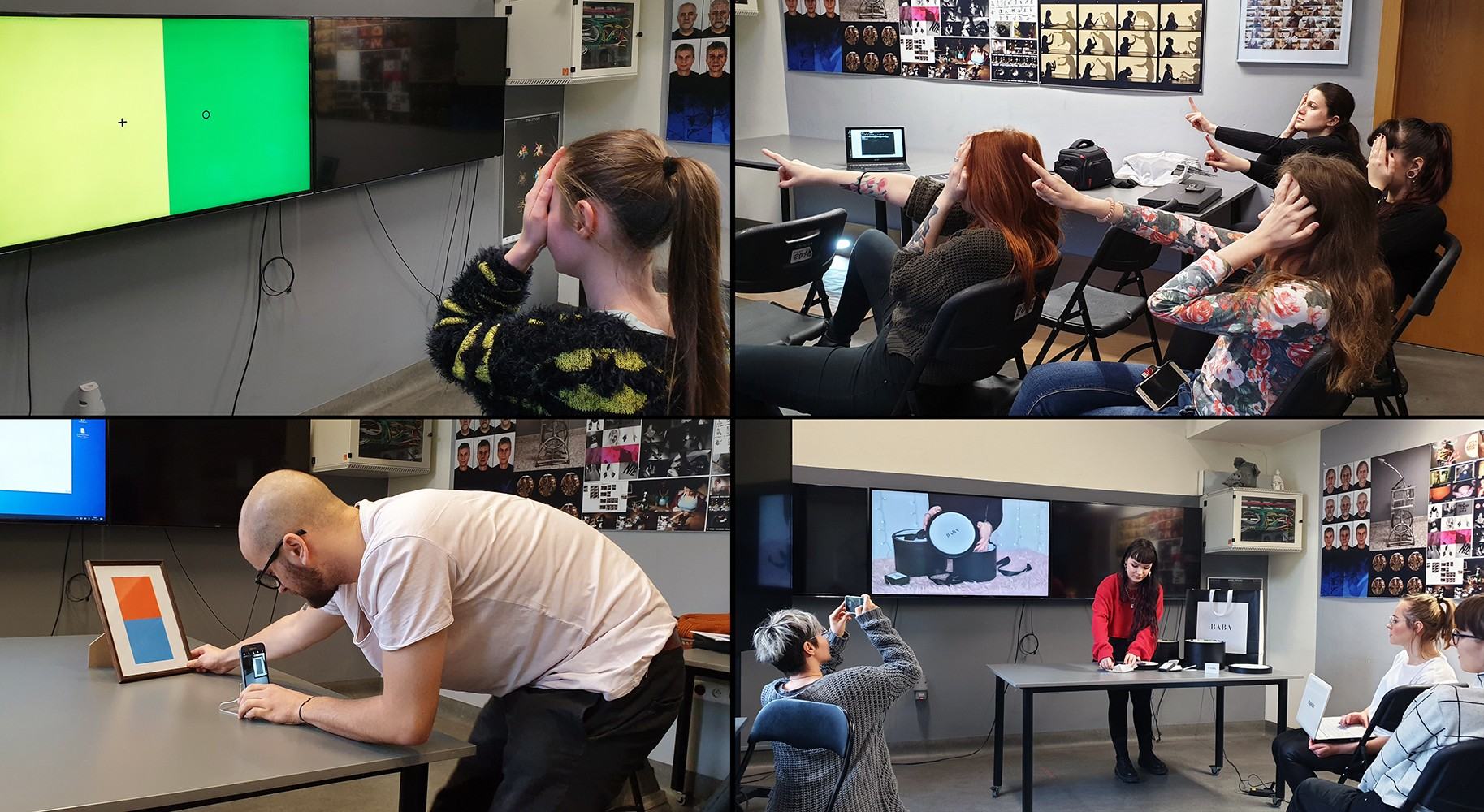
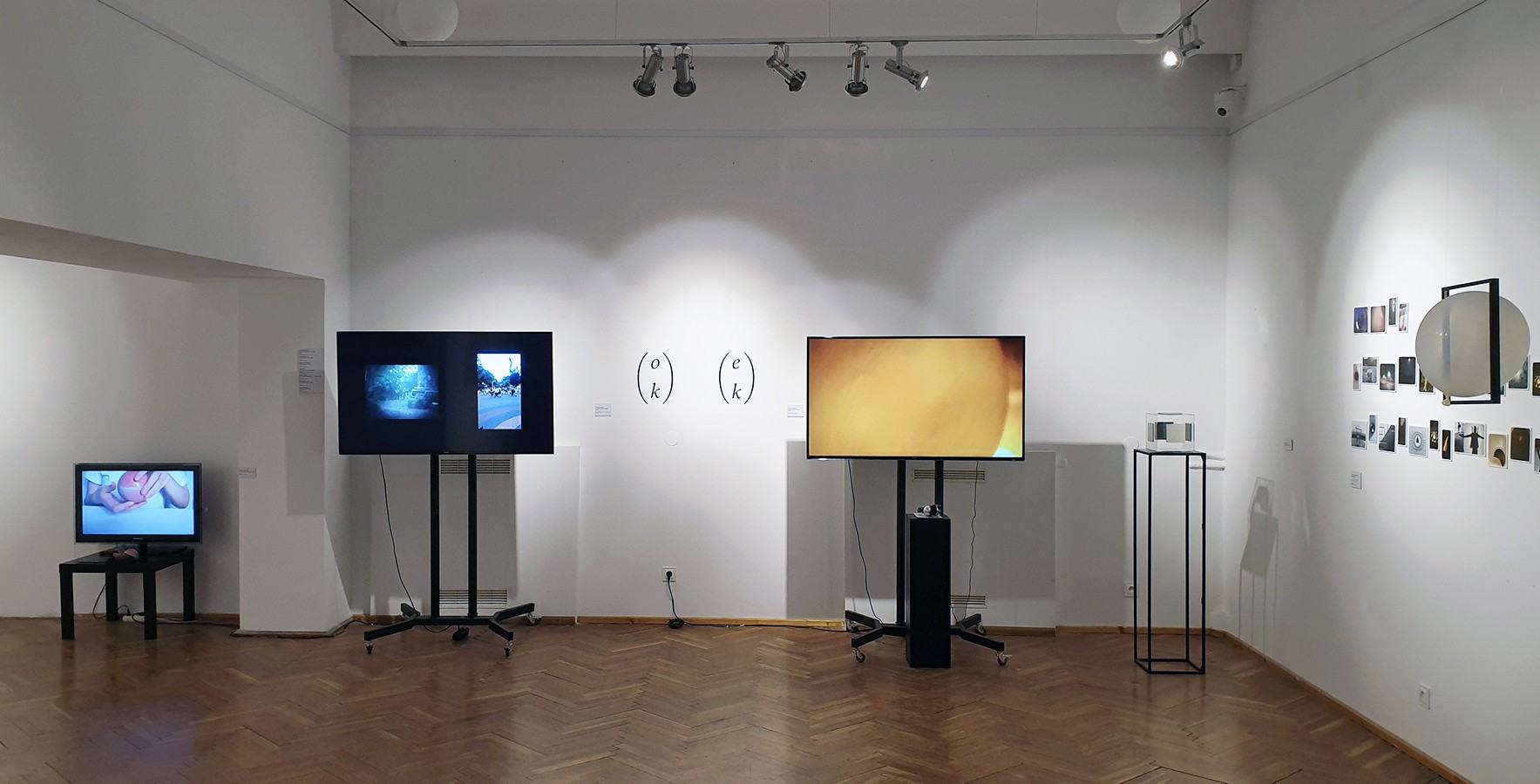
The programme of the Studio focuses on cognitive issues related to visual perception and imagination. The main aim of the course is to make students aware of the important role of images in human cognition, and consequently of the role of art using images as a natural domain for shaping our visual competences. Classes at the studio help students improve their ability to select optimal multimedia means in order to formulate visual messages with complex, often abstract content.
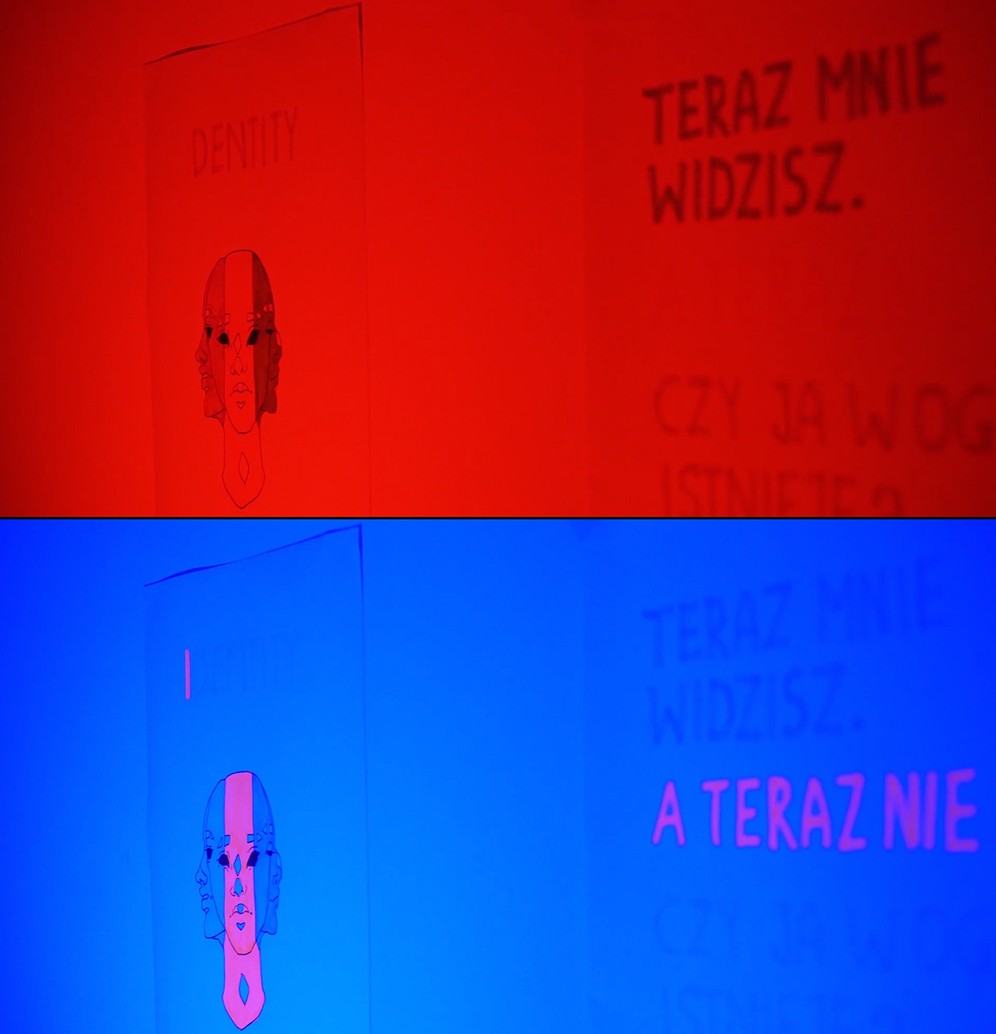
The studio is interdisciplinary, embedding artistic activity in a broad spectrum of academic reflection. The theoretical basis for the activities undertaken are both abstract fields of science (such as mathematics and philosophy) and experimental sciences (cognitive psychology and cognitive science). Theoretical analyses and experimental research are the starting point for artistic creations, where formal means and technical solutions are always selected with a view to best express and convey the idea of a particular creation. The research problems tackled in the studio include such issues as: visual thinking, similarity and analogy, the role of imagination in scientific discovery, cognitive visual metaphors, illusions and perceptual paradoxes.
Subjects
- Visual Cognition (year II of long-cycle Master's studies; year II and III of first level programmes; year I and II of second level programmes – the field of Media Art)
- Scientific issues in art (year I of second level programmes – the field of Media Art)
- Visual Cognition in Art and Science (Doctoral School)
- Psychophysiology of seeing (year II of long-cycle Master's studies – the field of Media Art; year I of long-cycle Master's studies – the field of Graphics)
- Intermedia Graphics (year III of first level programmes – the field of Graphic Design)
Admission
Students from the second year of bachelor's studies and master's students can enroll in the Visual Cognition Studio. An interest in an interdisciplinary approach to artistic creation and openness to theoretical aspects of visual cognition are welcome. The studio is intended for people who want to deepen their reflection on the role of image in cognitive processes and explore the relationships between science and art. A qualifying interview with the instructors and a presentation of the existing portfolio are required for admission.
Reading list
- Rudolf Arnheim, Myślenie wzrokowe
- George Lakoff, Mark Johnson, Metafory w naszym życiu
- Rudolf Arnheim, Sztuka i percepcja wzrokowa
- Nelson Goodman, Jak tworzymy świat
- Walter Jackson Ong, Oralność i piśmienność. Słowo poddane technologii
- Bertrand Russell, Nasza wiedza o świecie zewnętrznym
- Semir Zeki, Inner Vision: An Exploration of Art and the Brain
- David Eagleman, The Brain: The Story of You
- Susan Magsamen, Ivy Ross, Your Brain on Art. How the Arts Transform Us